
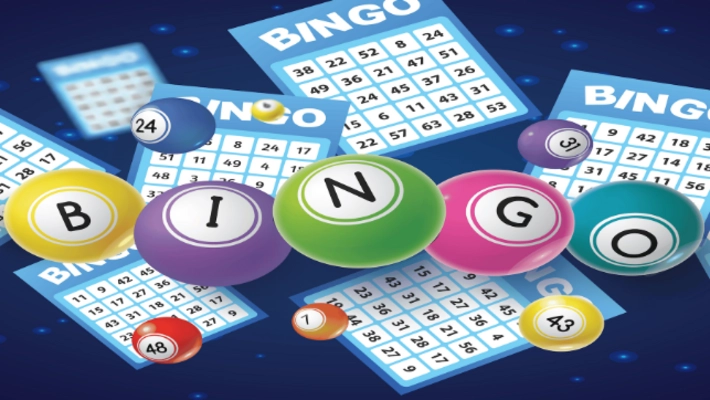
Bingo is much more than a mere game; it’s a cultural phenomenon that has transcended generations, evolving from a simple pastime to a social staple enjoyed by millions worldwide. While often associated with retirement homes and local community centers, its universal appeal spans all ages and backgrounds. From its humble origins in Italy to its digital renaissance in the 21st century, Bingo has demonstrated remarkable staying power, constantly adapting to contemporary trends while maintaining its core essence of simplicity, excitement, and camaraderie.
The Origins of Bingo: A Brief History
The roots of Bingo can be traced back to the 16th century in Italy, where a game called “Lo Giuoco del Lotto d’Italia” was played. This lottery-style game was a precursor to modern Bingo and was particularly popular during Carnival season. Players would use cards with numbers, and a caller would randomly draw numbers, marking them off on a separate board. The game’s appeal grew as it spread to France and, eventually, to England, where it evolved into a form resembling the Bingo we know today.
It wasn’t until the early 20th century that Bingo made its way to America, where it was initially known as “Beano.” Players would mark their cards with beans, and the caller would shout out the numbers. Legend has it that during a particularly intense game in the 1920s, a player mistakenly shouted “Bingo!” instead of “Beano,” and the name stuck. The game continued to gain popularity, and in the 1930s, it was introduced as a fundraising tool for charitable organizations.
The Social Aspect: Bingo as a Community Bond
While many games focus on individual performance, Bingo is inherently social. The collective excitement of a group of players, the shared anticipation as the numbers are called, and the communal thrill of a win create an atmosphere of connection and enjoyment. Whether played in a local hall, at a family gathering, or now increasingly online, Bingo brings people together, often serving as a social anchor in communities.
In its traditional form, Bingo is a fixture at senior centers, schools, and church halls, where it fosters intergenerational interaction. Older players may impart stories and strategies to younger ones, while families come together for fun-filled evenings. The game also provides a way for individuals to meet new people, encouraging inclusivity and creating a sense of belonging. In this way, Bingo is not just about winning—it’s about community, shared experiences, and the bonds that form over a shared love of the game.
The Evolution of Bingo: From Paper Cards to Online Play
As technology continues to advance, so too does the way we play Bingo. The rise of online gaming platforms has revolutionized the traditional Bingo experience, providing a virtual space for players to connect from all corners of the globe. Online Bingo has brought the game into the 21st century, offering players the chance to join massive virtual rooms, participate in themed games, and enjoy a variety of variations beyond the classic 75-ball or 90-ball formats.
Digital Bingo has also introduced a new layer of convenience and accessibility. No longer confined to local halls, players can now enjoy their favorite pastime from the comfort of their homes, at any time of day or night. For many, this ease of access has contributed to the game’s continued popularity, especially among younger generations who may not have previously engaged with Bingo in its traditional form. The ability to play on mobile devices, interact with others through live chat features, and participate in real-time tournaments has brought new energy to the game.
Moreover, online platforms have introduced innovations such as progressive jackpots and instant prizes, offering players the chance to win larger sums of money and amplifying the excitement. While the essence of Bingo remains unchanged, these technological advancements have kept the game relevant and engaging for a diverse audience.
The Allure of Bingo: Simple Yet Thrilling
One of Bingo’s most appealing qualities is its simplicity. Unlike more complex games that require extensive knowledge, strategy, or skill, Bingo is accessible to almost anyone. All you need is a card, a marker, and the ability to listen carefully as numbers are called. This accessibility makes it an ideal game for people of all ages, from children to seniors, and allows even those with limited experience to participate and enjoy themselves.
Despite its simplicity, Bingo is filled with moments of suspense and excitement. The tension builds as players anxiously wait for that one last number needed to complete their card. The joy of winning—especially the collective joy shared with fellow players—is a gratifying and universal experience. Whether it’s the rush of a sudden win or the friendly camaraderie of a close game, Bingo offers a mix of chance, suspense, and fun that few other games can replicate.
Moreover, the potential for a prize adds an additional layer of thrill. While many play simply for fun, the possibility of winning money or other rewards elevates the experience, turning a leisurely game into a contest of chance where anything can happen at any moment.
Bingo in Popular Culture
Bingo has left its mark on popular culture in a variety of ways. The game has been referenced in films, television shows, and books, often as a symbol of nostalgia or wholesome fun. For instance, the game features prominently in films set in retirement homes, where it often serves as a backdrop for comedy and social interaction. It also makes frequent appearances in children’s television, where it is often used as a learning tool to help young viewers with number recognition and basic counting.
In addition to its portrayal in the media, Bingo has also found a place in modern celebrations. It is a common feature at charity events, fundraisers, and family gatherings, often as a way to engage participants while raising funds for a cause. As a result, Bingo has become synonymous not only with leisure but also with philanthropy, helping to support a variety of charitable organizations.
Conclusion: The Timeless Appeal of Bingo
Bingo has endured through the centuries as a game that combines simplicity, suspense, and social interaction, and its popularity shows no signs of waning. From its Italian origins to its digital transformation, the game has consistently evolved while maintaining the core elements that make it so beloved: a sense of community, a shared experience, and the thrill of chance. Whether played in a crowded hall, around a family table, or online with friends from across the world, Bingo remains a beloved pastime that continues to unite people in the most delightful way. As we look to the future, it’s clear that Bingo will remain a fixture of our cultural landscape, inviting all to join in the fun, no matter where or how they choose to play.