The casino floor and online gaming lobbies have undergone a massive visual and thematic revolution over the past few decades. In the early days of casino gaming, slot machines relied on simple mechanical reels adorned with traditional symbols like cherries, lucky sevens, playing card suits, and liberty bells. While these classic designs established the foundational mechanics of betting, the modern slot market demands far more engaging visual and thematic variety.
Today, walking through a physical casino or scrolling through an online casino lobby feels like taking a stroll through pop culture history. Bright screens and dynamic sound systems feature Hollywood blockbusters, hit television series, legendary rock bands, iconic game shows, and world-renowned celebrities. These are licensed branded slots—games built around officially licensed intellectual property.
The integration of recognized brands into slot machines has transformed from a novel marketing tactic into a central growth strategy for game developers and casino operators. Understanding how these familiar names influence player behavior, lower acquisition friction, and shape the economics of the gaming industry reveals why branded slots remain a dominant force in modern gambling entertainment.
The Psychological Power of Immediate Brand Recognition
The primary driver behind the success of licensed slot machines is immediate familiarity. Modern casino lobbies, particularly online platforms, host thousands of competing titles. When players are presented with a massive grid of unfamiliar games, decision fatigue can quickly set in. A recognized brand acts as a beacon, cutting through the visual clutter and grabbing attention instantly.
This phenomenon relies on established psychological connections. When a player sees a slot machine based on their favorite movie or music group, several cognitive mechanisms come into play:
-
Instant Recognition: Players do not need to read instructions or evaluate complex themes to understand what the game is about. The brand provides immediate context.
-
Emotional Resonance and Nostalgia: Popular entertainment franchises evoke positive memories, excitement, and personal affection. A fan of a classic television show feels a sense of warmth and curiosity seeing familiar characters and hearing iconic theme songs.
-
Lowered Friction for New Players: For casual gamblers or first-time casino visitors, sitting down at a machine with an unfamiliar setup can feel intimidating. A branded game offers a comfortable entry point because the thematic environment feels safe and welcoming.
-
Perceived Value: High-profile intellectual property carries an implicit expectation of premium quality. Players naturally associate famous Hollywood titles with high production values, advanced graphics, and superior entertainment.
By leveraging pre-existing emotional loyalty, slot developers do not have to build player trust from scratch. The brand owner has already spent millions of dollars building a global fanbase, and the slot machine simply taps into that existing reservoir of enthusiasm.
Strategic Benefits for Casino Operators and Game Developers
From a commercial perspective, licensed slot machines serve as powerful tools for both player acquisition and platform merchandising. While developing a custom slot title requires significant artistic and mathematical work, adding a recognized license can dramatically accelerate a game’s market penetration.
Streamlining Player Acquisition Costs
In highly competitive gaming markets, acquiring new players is one of the most significant expenses for operators. Marketing campaigns that feature well-known entertainment figures yield higher click-through rates and better initial conversion metrics. A banner ad featuring a famous movie monster or a hit game show host stands out far more effectively than an ad for a generic fantasy-themed slot.
Cross-Promotional Opportunities
Branded slots benefit from external media cycles. When a movie studio releases a new installment in a major film franchise, or when a television network launches a spin-off series, consumer interest in that brand spikes globally. Casino operators can coordinate promotional campaigns alongside these major entertainment events, capturing heightened search traffic and public interest without bearing the marketing burden alone.
High Production Standards and Cabinet Hardware
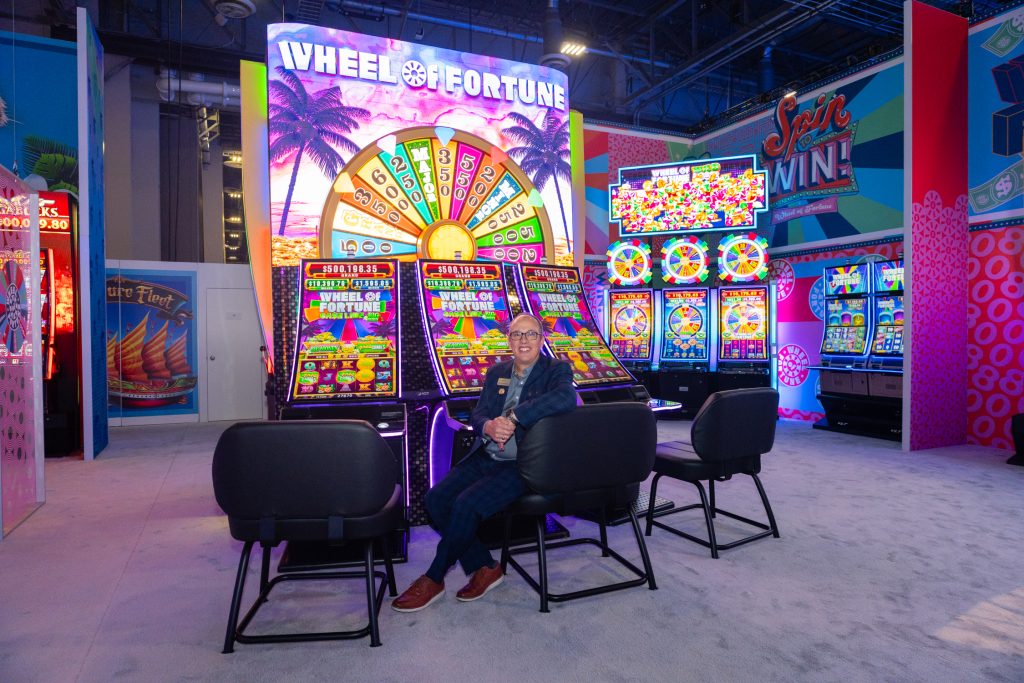
Licensing agreements typically grant developers access to original audio assets, official video clips, voiceover recordings, and high-resolution graphic archives. In land-based casinos, hardware manufacturers often build specialized, larger-than-life cabinets specifically for flagship branded titles. These cabinets feature massive curved displays, premium surround-sound seating, integrated light bars, and interactive physical accessories that turn playing a slot into an immersive arcade-like experience.
Iconic Examples of Successful Branded Slots
To understand the full impact of branded gaming, one must look at the titles that redefined industry standards and set benchmarks for long-term popularity.
-
Wheel of Fortune: Developed through a decades-long partnership between IGT and Sony, Wheel of Fortune is widely recognized as the most successful licensed slot franchise in history. The game successfully translated the television show’s famous spinning wheel mechanic into a secondary bonus round. The mechanical or digital wheel bonus gave players a tangible, exciting goal beyond basic reel spins, creating a benchmark for the entire industry.
-
Blockbuster Movie and Television Franchises: Titles based on cinematic universes, classic sci-fi films, and fantasy television series have drawn millions of fans. These games often feature multi-level bonus rounds that allow players to advance through plotlines, unlock cinematic clips, and battle villains directly on screen.
-
Music and Band Slots: Slot machines celebrating legendary rock bands, pop icons, and country singers incorporate concert footage and master audio recordings. Winning spins are accompanied by famous guitar riffs or hit choruses, turning a gaming session into a mini-concert experience for music enthusiasts.
-
Interactive Game Shows: Adaptations of popular television game shows give players a taste of participating in real TV competitions. Pick-and-click bonus rounds mimic decision-making moments from the original shows, heightening suspense and interactive engagement.
Financial Realities and Licensing Overhead
While branded slots offer undeniable marketing advantages, they also present unique financial and operational challenges for developers.
Securing the rights to a famous trademark requires substantial financial investment. Deals usually involve upfront licensing fees, legal compliance reviews, and ongoing royalty payments that can range from a percentage of gross gaming revenue to fixed operational costs. Furthermore, brand holders enforce strict visual and thematic guidelines to protect their intellectual property, which can lengthen production cycles and limit creative flexibility during development.
Because of these overhead costs, game developers must carefully balance financial risk. A famous brand will almost certainly drive initial interest and draw players to try their first spin. However, if the underlying game math, return-to-player percentage, volatility structure, and bonus features are poorly designed, players will quickly lose interest once the novelty wears off. Ultimately, a brand gets a player to open a game, but solid game mechanics determine whether that player returns.
Branded Content Versus Original Intellectual Property
In response to rising licensing costs, many studios maintain a balanced portfolio strategy that combines licensed titles with proprietary, original intellectual property.
Original slot concepts give studios complete creative control and significantly higher profit margins since no third-party royalties are required. When a studio successfully builds its own franchise, it retains full ownership of the assets and can launch sequels, seasonal variations, and spin-offs without contractual expiration dates.
Nevertheless, branded slots remain the ultimate vehicle for rapid market penetration. Many operators use high-profile branded releases to attract new users to their platforms, subsequently introducing those players to their broader library of original games.
The Future of Licensed Slot Machines
As technology continues to advance, the integration of licensed brands into slot machines will become even more sophisticated. Modern players expect seamless transitions between different entertainment mediums.
Upcoming developments in omnichannel gaming allow players to experience their favorite branded slot titles across physical casino cabinets, desktop web browsers, and mobile applications with synchronized progress and unified loyalty points. Simultaneously, the integration of augmented reality and enhanced interactive bonus mechanics promises to make future branded slots feel closer to modern video games than ever before.
Licensed brands have permanently reshaped the slot machine ecosystem. By fusing pop culture, nostalgic entertainment, and cutting-edge gaming technology, branded slots will continue to capture player imaginations and drive industry innovation for years to come.
Frequently Asked Questions
Why do slot developers pay expensive licensing fees for branded themes?
Developers invest in licensed brands because famous names provide built-in target audiences, immediate visual recognition, and high emotional resonance. This significantly reduces player acquisition costs and helps new games stand out in crowded casino lobbies.
Are payout percentages on branded slots lower because of royalty fees?
Not necessarily. Return-to-player rates and outcomes are determined by audited Random Number Generators and regulatory standards. While developers pay royalties out of their operational margins, the mathematical math model and winning chances for players remain fair and competitive with non-branded games.
What happens to a branded slot machine when the licensing contract expires?
When a licensing agreement ends without renewal, the developer must remove the branded game from casino floors and online platforms. In many cases, developers will re-skin the underlying game mechanics with a new, original theme to keep the popular math model active under a different title.
How do game developers ensure a branded slot accurately represents the original IP?
Developers work closely with licensors during production, utilizing official sound clips, voice acting, video clips, and high-resolution art assets. Brand owners review and approve concept designs, bonus rounds, and visual layouts to maintain authenticity.
Do branded slot machines attract different types of players compared to traditional slots?
Yes, branded slots are particularly effective at attracting casual players, pop culture fans, and younger demographics who might not normally play traditional slot games. The familiar theme serves as a comfortable, entertaining entry point.
Which types of pop culture brands tend to perform best as slot machines?
Long-running television game shows, iconic movie franchises, classic rock bands, and hit TV series tend to perform best. These properties offer rich visual themes, recognizable audio soundtracks, and memorable characters that easily translate into bonus mechanics.
Can a player win progressive jackpots on branded slot games?
Yes, many top-performing branded slot machines are linked to wide-area or localized progressive jackpot networks, offering players the chance to win massive top prizes alongside thematic bonus features.