
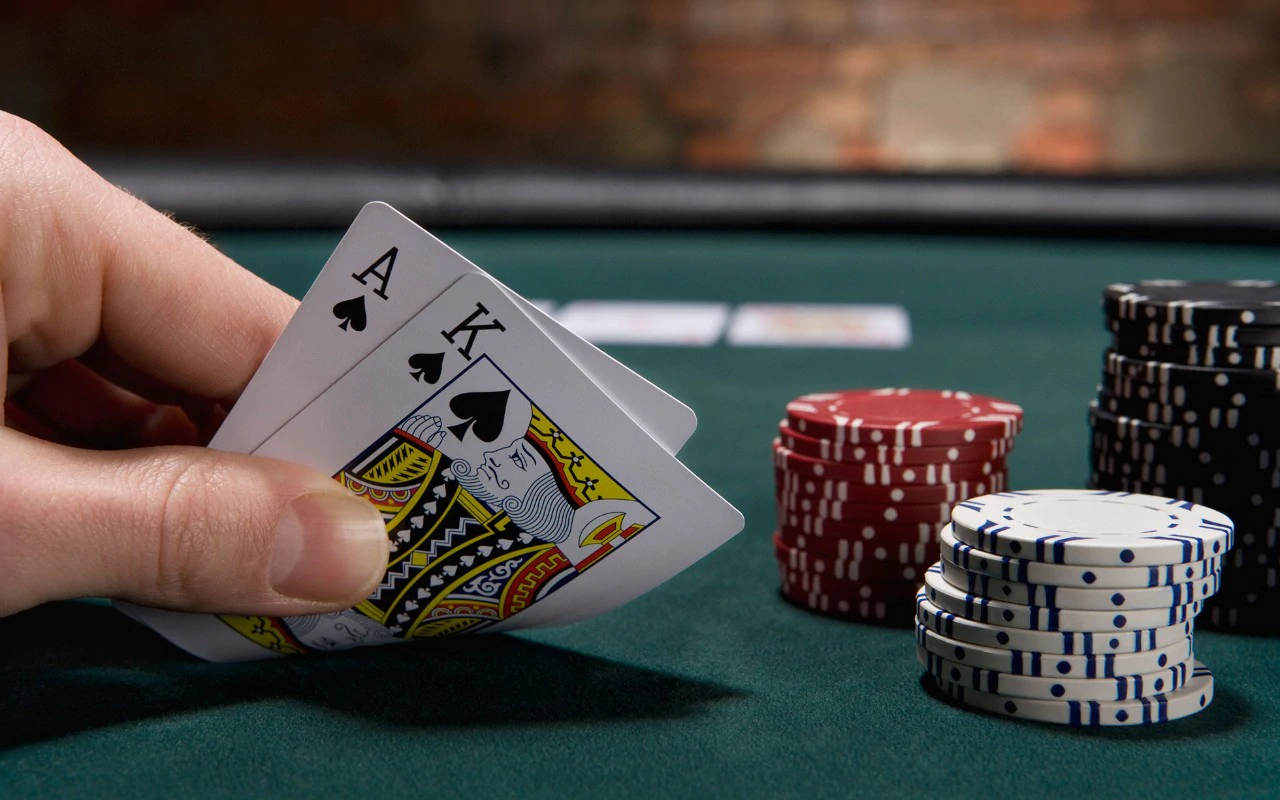
Poker, the beloved card game that has spanned centuries, continues to captivate players around the globe. Whether played in the smoky rooms of Vegas casinos, at private home games, or in the increasingly popular online poker rooms, the game’s unique combination of skill, strategy, and chance has cemented its place as one of the most iconic games of all time. From its modest origins to its current status as a global gambling phenomenon, poker has undergone a remarkable evolution, drawing millions into its fold every year. But what makes poker so universally appealing, and why has it stood the test of time? To understand the essence of poker is to appreciate not just the cards, but the psychological warfare, the intense decisions, and the stories of triumph and heartbreak that unfold at every table.
The History of Poker: From Origins to Modern Day
Poker’s exact origins are somewhat murky, but its roots can be traced back to several games played in ancient civilizations. The most commonly accepted theory is that poker evolved from a game known as “Poque,” which was popular in 17th-century France. Poque was similar to a game called “brelan” (also known as “brag”), which involved betting and bluffing. The French brought Poque with them to the American colonies, where it was modified and evolved into the game we know today. Early forms of poker, however, did not include the standard 52-card deck that we are familiar with now; instead, it was often played with a 20-card deck, with players betting on combinations of five cards.
Poker truly took root in the United States in the 19th century, particularly in New Orleans, a city known for its gambling culture. The game spread along the Mississippi River and became especially popular among riverboat gamblers. As the game traveled westward with the expansion of the American frontier, it was further refined. By the late 1800s, the “straight” and “flush” hands were added, and poker began to resemble the modern version we play today.
The 20th century saw the game’s rise to prominence with the establishment of major poker tournaments like the World Series of Poker (WSOP) in 1970. This event became a defining moment for the game, propelling poker into the spotlight and introducing many people to professional poker. Today, the poker world is dominated by high-stakes tournaments, satellite qualifiers, and a massive online community that allows players of all skill levels to compete for riches.
The Mechanics of the Game: Poker’s Rules and Variants
Poker is primarily a betting game in which players compete for chips or money by forming the best possible hand based on the rankings of poker hands. While the rules of poker can vary slightly depending on the specific variant being played, the general objective remains the same: to form the highest-ranking hand or bluff your way to victory by convincing your opponents that you have the best hand.
The most common hand rankings, from highest to lowest, are:
-
Royal Flush – A, K, Q, J, 10 of the same suit.
-
Straight Flush – Five consecutive cards of the same suit.
-
Four of a Kind – Four cards of the same rank.
-
Full House – A three of a kind plus a pair.
-
Flush – Five cards of the same suit, not in sequence.
-
Straight – Five consecutive cards of different suits.
-
Three of a Kind – Three cards of the same rank.
-
Two Pair – Two pairs of cards of the same rank.
-
One Pair – Two cards of the same rank.
-
High Card – When no one has any of the above, the highest card wins.
The most famous variant of poker is Texas Hold’em, which has become the standard in both home games and tournament play. In Texas Hold’em, each player is dealt two private cards (known as “hole cards”), and five community cards are placed face-up on the table. Players combine their hole cards with the community cards to make the best possible five-card hand. The key to success in this variant lies in the ability to read the board, understand odds, and outwit your opponents.
Omaha is another popular poker variant, similar to Texas Hold’em, but with a twist. In Omaha, each player is dealt four hole cards, and they must use exactly two of them in combination with three community cards to form their hand. The increased number of hole cards creates more complex strategies, making Omaha a thrilling variation of the game.
Seven-Card Stud was once the dominant form of poker in America before Texas Hold’em rose to prominence. Unlike Hold’em and Omaha, which use community cards, Seven-Card Stud is played without any community cards. Each player is dealt seven cards, three face down and four face up, and must make the best hand they can with those cards. This variation requires excellent memory and the ability to read other players’ exposed cards.
Strategy and Psychology: The Battle of Wits
What truly sets poker apart from other gambling games is the depth of strategy involved. Poker is not just a game of chance; it’s a battle of wits, where players constantly analyze probabilities, read their opponents, and calculate the risk versus reward of each decision.
One of the most important aspects of poker strategy is bluffing. Bluffing involves making your opponents believe that you have a stronger hand than you actually do. When executed correctly, bluffing can be a powerful tool to win pots without showing the winning hand. However, bluffing is also risky, and experienced players are often adept at detecting when someone is trying to deceive them. The art of bluffing involves reading subtle cues, such as body language or betting patterns, and understanding when to push the limits and when to fold.
Position is another crucial element of strategy. In poker, a player’s position at the table can dramatically affect their odds of winning. Players who act later in a hand (those who are “in position”) have the advantage of seeing how their opponents act before making their own decisions. By playing more conservatively in early positions and more aggressively in late positions, players can leverage the information they have to make more informed decisions.
Additionally, poker requires a strong sense of patience and emotional control. Many players, especially beginners, are prone to making impulsive decisions when they experience frustration or excitement. The most successful poker players are those who can maintain a cool head, avoid emotional tilt, and focus on long-term strategy rather than short-term gains. It’s also essential for a player to manage their bankroll effectively, understanding the limits of their financial resources and avoiding reckless betting.
Poker’s Global Appeal: From Home Games to Online Tournaments
Poker’s appeal is not confined to the high-stakes tables of Las Vegas or the luxurious casinos of Monaco. The game is deeply ingrained in many cultures, played in homes and clubs around the world. Whether it’s a casual game between friends or a family gathering, poker has become a social activity that transcends borders and brings people together. The game’s versatility, ease of learning, and social nature make it ideal for both casual players and more serious competitors.
The advent of online poker in the early 2000s revolutionized the game, making it accessible to anyone with an internet connection. Online poker platforms allow players to compete against others from all corners of the globe, opening up opportunities for tournaments, cash games, and even freeroll events (tournaments with no entry fee). Websites like PokerStars, 888Poker, and PartyPoker have become massive platforms, hosting millions of players at any given time. Online poker has also brought the concept of “multitabling” into the fold, allowing skilled players to participate in multiple games simultaneously, further increasing the pace and intensity of the game.
The most prestigious poker tournament in the world is undoubtedly the World Series of Poker (WSOP). Held annually in Las Vegas, the WSOP attracts players from all walks of life, from recreational enthusiasts to professional gamblers. The tournament’s most coveted title is the WSOP Main Event, where the winner takes home millions of dollars and is crowned the world champion of poker. The event’s massive televised coverage has helped further popularize the game, inspiring countless individuals to try their hand at poker.
The Future of Poker: Technological Advancements and Evolving Strategies
As poker continues to evolve, technology is playing a significant role in shaping its future. Artificial intelligence (AI) has been used to create sophisticated poker bots capable of playing at a high level, allowing players to study strategies and improve their game. Virtual reality (VR) is also poised to revolutionize the online poker experience, offering players the opportunity to sit at a virtual table and interact with other players in a 3D environment.
Additionally, the global poker scene is expanding, with more international tournaments and online platforms becoming available to players in countries that were previously underserved. As the game continues to grow, it will likely attract a new generation of players, further cementing poker’s status as one of the world’s most enduring and dynamic games.
Conclusion: The Eternal Allure of Poker
Poker is more than just a game; it is an ever-evolving cultural phenomenon, a test of skill, patience, and psychology. Its ability to combine chance with strategy, as well as its rich history and global appeal, ensures that poker will remain at the forefront of the gambling world for generations to come. Whether played in the privacy of a home, the bright lights of a casino, or the virtual tables of the internet, poker continues to captivate millions with its exciting blend of uncertainty, calculation, and human interaction. For those who have mastered its intricacies, the game offers not just potential wealth, but a lifelong pursuit of mastery.